
Introduction to Automation Testing
Automation testing streamlines the software validation process by utilizing specialized software tools and scripts. This approach automates the execution of predefined test cases on applications, aiming to enhance the efficiency and effectiveness of testing practices. Automation testing significantly reduces manual effort, accelerates the testing process, and ensures that the outcomes are both consistent and reliable. By automating routine and complex tests, organizations can achieve faster development cycles and higher-quality software products, making this a cornerstone of modern software development strategies.
Pain points and challenges:
Automation testing, while highly beneficial, comes with its set of challenges that can impede the testing process if not adequately managed:
-
Dynamic User Interfaces:
-
Issue: User interfaces that frequently change can disrupt test automation. Automated tests often fail because they cannot find the UI elements that have shifted, been renamed, or redesigned.
-
Impact: Constant UI changes require frequent updates to test scripts, which can be time-consuming and prone to errors, leading to delays in the testing cycle.
-
Test Data Management:
-
Issue: Handling large datasets or dynamic data in test environments is complex and can be a significant time sink.
-
Impact: Inefficient data management can lead to inaccuracies in test execution and results, potentially compromising the quality assurance process.
-
Maintenance of Test Scripts:
-
Issue: As software applications evolve, so must the test scripts. However, updating these scripts to align with the latest changes can be challenging.
-
Impact: Outdated test scripts may lead to false positives or negatives in test results, reducing the reliability of the testing process and increasing maintenance overhead.
-
Cross-platform Testing:
-
Issue: Testing applications across multiple platforms and devices introduces variability due to different operating systems, browsers, and screen resolutions.
-
Impact: These variations can cause inconsistencies in test results, making it difficult to assess the application's performance and user experience comprehensively.
-
Test Execution Speed:
-
Issue: Slow test execution can significantly delay the testing cycle, especially when dealing with complex applications or large volumes of data.
-
Impact: Delays in test execution slow down the feedback loop to developers, potentially extending the overall development timeline and affecting the go-to-market schedule.
Drivers for Interest in Software Automation Testing
-
Understanding Key Hurdles:
-
Importance: Recognizing the common challenges in automation testing, such as dynamic UIs, complex data management, and maintenance of test scripts, is crucial.
-
Outcome: By identifying these hurdles, teams can prepare more effective strategies to overcome them, thereby minimizing delays and enhancing the reliability of test results.
-
Learning Effective Strategies and Techniques:
-
Importance: Developing skills to address the specific challenges of automation testing is essential for testing professionals.
-
Outcome: Mastering these strategies ensures more robust and efficient testing frameworks that can adapt to rapid changes in application features and platforms.
-
Exploring Innovative Solutions:
-
Importance: With the rapid evolution of software tools and practices, exploring innovative solutions to improve automation testing is critical.
-
Outcome: Leveraging new tools and technologies can lead to significant improvements in test execution speeds and accuracy, making testing processes more agile.
-
Keeping Up-to-Date with Industry Best Practices:
-
Importance: The field of test automation is continually evolving, with new best practices developing regularly.
-
Outcome: Staying informed about current trends and industry standards can help organizations implement the most effective and efficient testing strategies, thereby reducing costs and time-to-market.
-
Enhancing Software Development Processes:
-
Importance: Effective automation testing is integral to refining overall software development cycles.
-
Outcome: Successful automation implementations streamline workflows, enhance product quality, and ensure that software performs well across all intended platforms and configurations.
Current Industry Trends in Software Automation Testing
As software development rapidly evolves, so does the landscape of automation testing. Staying ahead with the latest trends is crucial for enhancing testing efficiency and ensuring the delivery of high-quality software products. Here are some key trends currently shaping the field:
-
Continuous Testing:
-
Overview: In line with Agile methodologies, continuous testing has become integral to modern development cycles. It involves the integration of automated tests into the CI/CD pipeline, allowing for immediate testing and issue resolution throughout all stages of development.
-
Benefits: Continuous testing helps detect defects early, reduce bottlenecks, and accelerate the delivery of software, thereby improving both product quality and time-to-market.
-
Implementation: Utilizing tools that support CI/CD integration can automate script execution following each commit or build, providing real-time feedback and facilitating rapid corrective actions.
-
Test Automation Frameworks:
-
Overview: Developing robust test automation frameworks is critical for streamlining automation processes. These frameworks provide a structured approach to automation, which enhances test coverage and efficiency.
-
Benefits: A well-built framework supports reusable test cases, reduces maintenance costs, and minimizes errors through standardization.
-
Implementation: Popular frameworks like Selenium WebDriver for web applications, Appium for mobile apps, and Robot Framework for both, allow testers to write less code and achieve greater productivity and reliability.
-
Compatibility Testing:
-
Overview: This type of testing ensures that applications perform consistently across various environments, including different devices, browsers, and operating systems.
-
Benefits: Compatibility testing is crucial for user satisfaction as it guarantees a seamless user experience no matter the platform. It helps identify and fix UI/UX issues that may not be apparent in a single environment but emerge in another.
-
Implementation: Tools such as BrowserStack and Sauce Labs provide platforms for testing applications across multiple browsers and operating systems without the need for an extensive inventory of physical devices.
-
AI in Test Automation:
-
Overview: The integration of AI and machine learning in test automation is transforming testing practices. AI algorithms optimize test case creation, predict key parameters for testing, and dynamically adapt tests based on code changes and test results.
-
Benefits: AI enhances test accuracy, reduces the time spent on test maintenance, and intelligently analyzes whether changes in the code will affect the existing functionality.
-
Implementation: AI-powered testing tools can automatically generate and optimize test scripts, detect anomalies, and provide insights that would be difficult to achieve manually.
-
Shift-Left Testing:
-
Overview: Shift-left testing involves moving testing earlier in the development process (i.e., to the left on the project timeline). This approach emphasizes testing early and often, identifying and addressing issues more quickly.
-
Benefits: It helps reduce the overall cost of defects since bugs are less expensive to fix earlier in the cycle. This approach also improves product quality by involving quality assurance from the start of the project.
-
Implementation: Incorporating automated unit tests and integrating service virtualization to test APIs and other backend services before they are fully developed are practices that facilitate shift-left testing. Begin Your Journey Towards Intelligent Automation Testing Today!
FireFlink Solutions:
FireFlink is revolutionizing automation testing with its advanced features and integrations that streamline processes, enhance accuracy, and facilitate faster testing cycles. Here's how FireFlink is addressing common automation challenges:
-
FireFlink Finder:
-
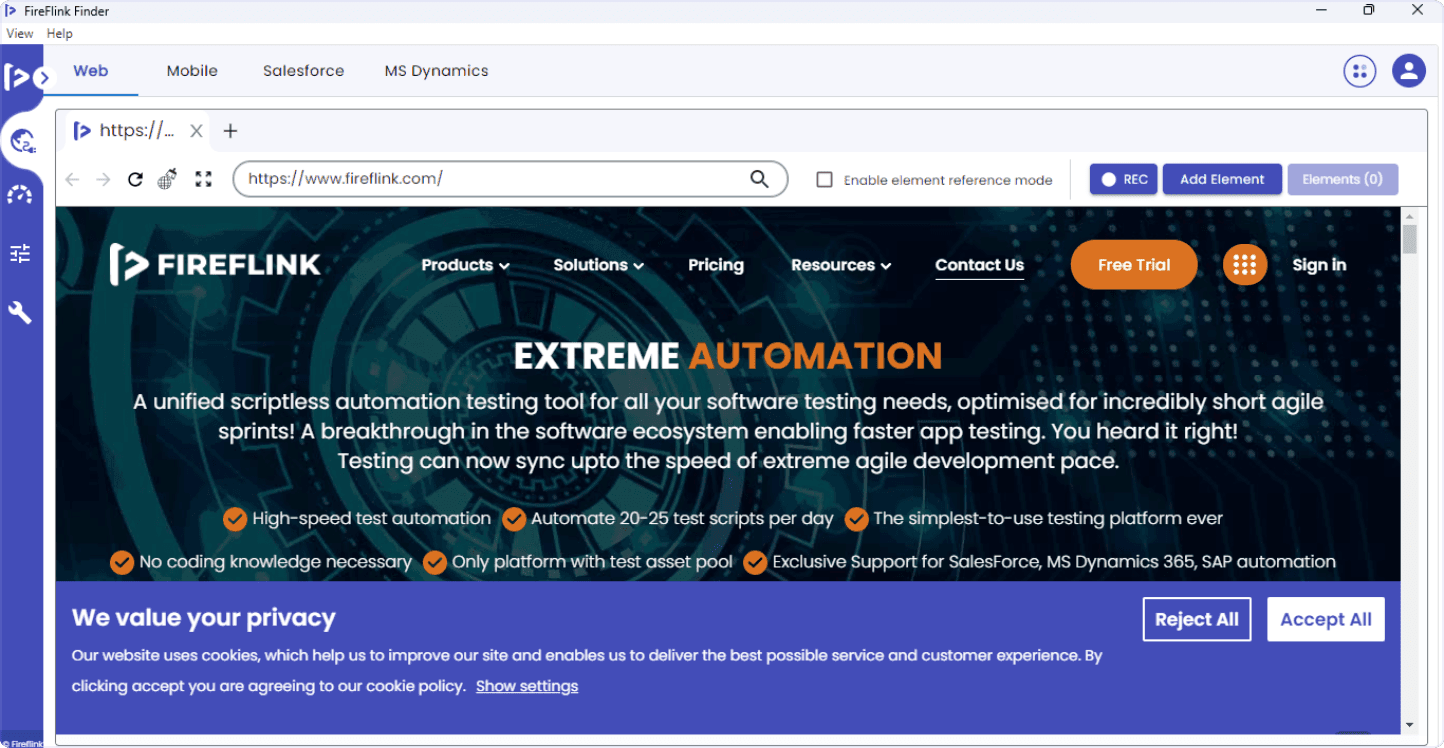
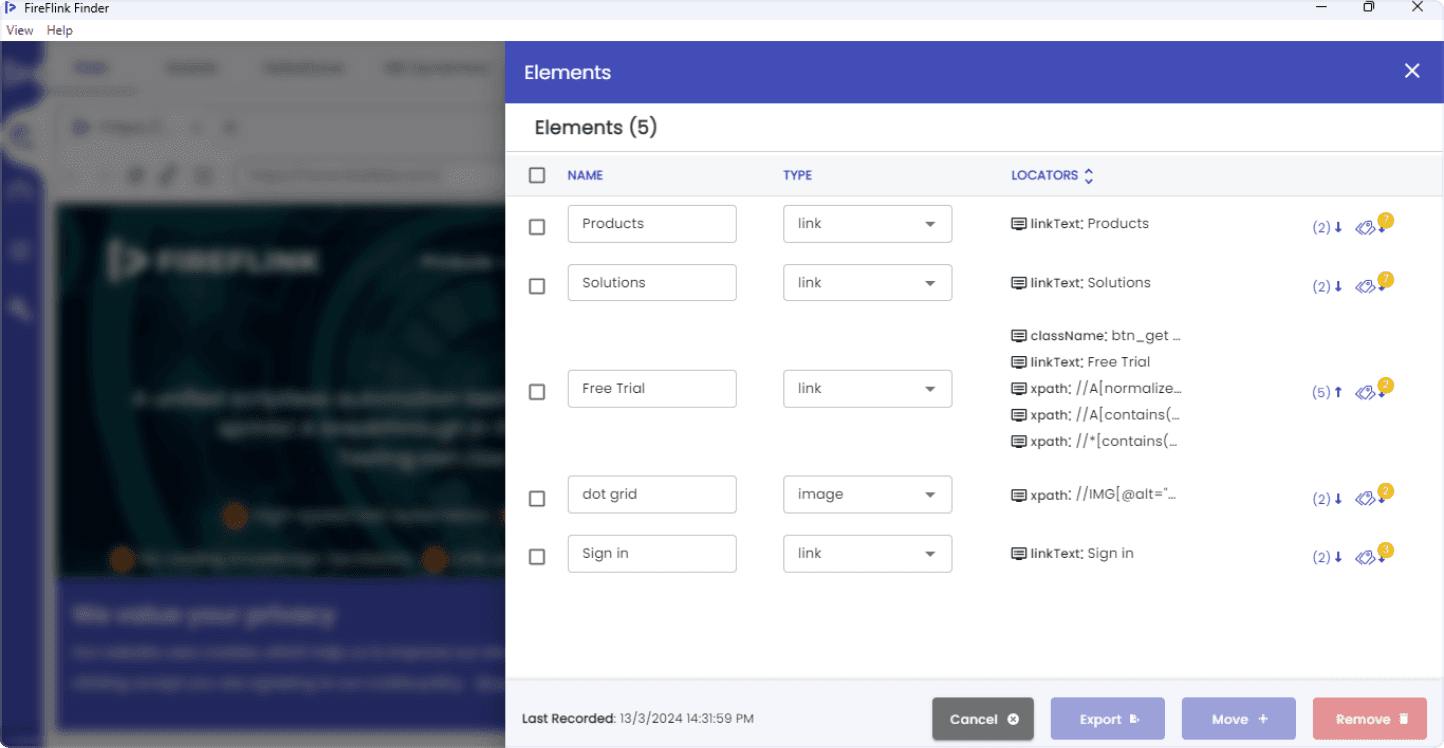
Dynamic Locator Capture: Utilizes multiple locators to optimally capture UI elements, making them less prone to failures due to UI changes. This robust locator strategy significantly reduces the need for frequent updates to test scripts.
-
Dynamic Waits: FireFlink uses Natural Language Processing (NLP) to implement dynamic waits ensuring that elements are fully loaded before interactions begin. This minimizes errors related to premature element interaction and enhances test reliability.
-
Test Data Management:
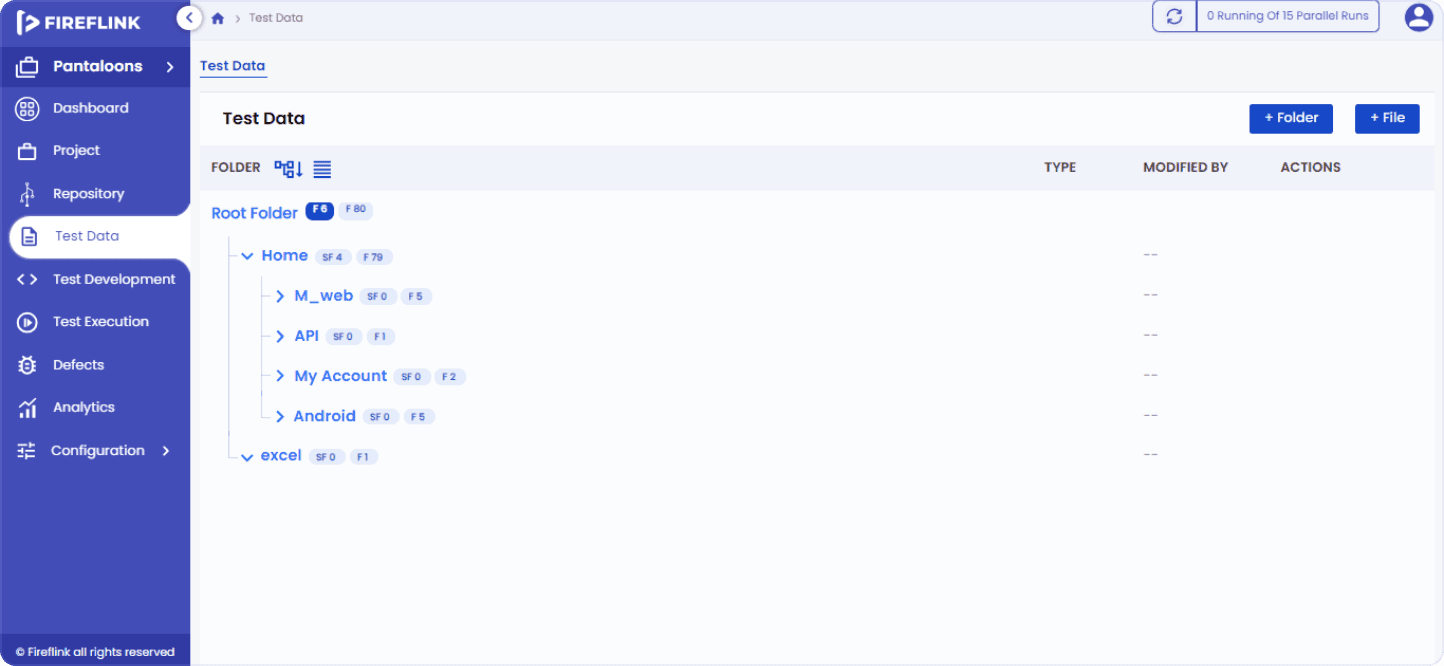
- Data-driven Testing: FireFlink supports data-driven testing where test data is stored separately from the test scripts. This approach not only keeps tests organized but also simplifies the process of updating test data.
- Versatile Data Storage: Offers a dedicated section for maintaining test data in various formats including CSV, XLSX, PDF, PPT, and TXT, allowing for easy management and access to the necessary data during tests.
-
Step Groups:
-
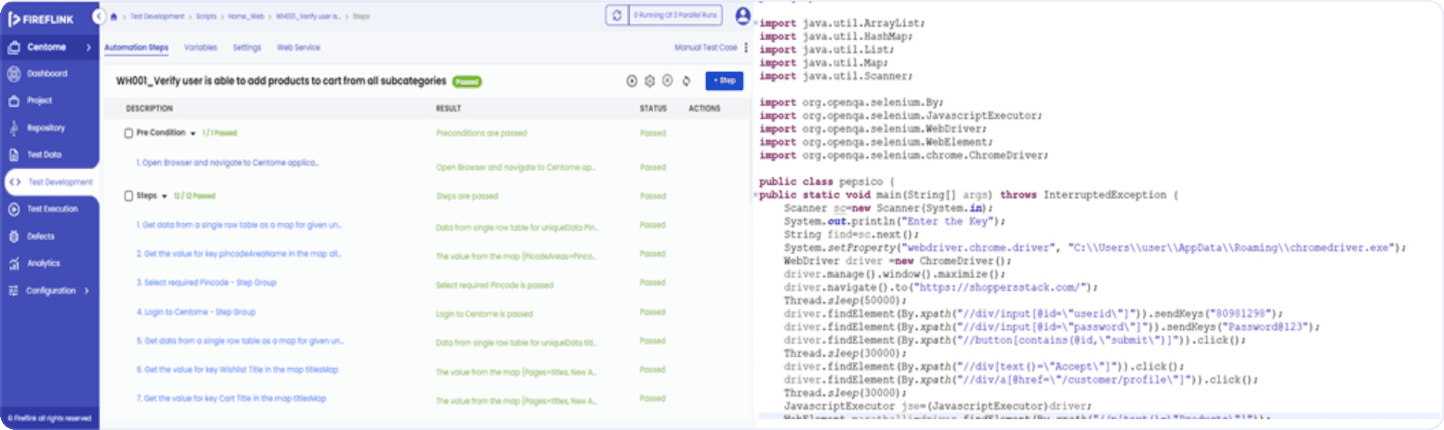
Efficient Script Updates: With NLP capabilities, updating scripts in FireFlink becomes straightforward, especially with the feature of creating step groups.
-
Reusable Steps: Organizes reusable steps into step groups which can be efficiently managed through a well-structured module tree. This feature reduces script maintenance efforts significantly by reusing steps across different test cases.
-
Integrations:
-
CI/CD Pipeline Compatibility: FireFlink’s automated scripts integrate seamlessly with CI/CD pipelines, enhancing the continuous integration and delivery processes. This ensures that software changes are thoroughly tested, promoting faster release cycles.
-
Enhanced Communication: Provides options to send notifications and detailed execution PDF reports via email or collaboration platforms like Slack, which improves team communication and workflow efficiency.
-
Flexible API Integrations: Offers open APIs that can be integrated with other CI/CD tools, providing flexibility based on project-specific needs and enhancing the automation ecosystem.

Success Story: FireFlink's Automation Triumph in the Trading Domain
Introduction:
In the fast-paced trading domain, where accuracy and speed are paramount, FireFlink has demonstrated exceptional capabilities in handling extensive automation challenges for a major client in the stock exchange sector.
Challenges Faced:
-
High Volume of Data: The client's operations generate numerous records and files daily, necessitating robust automation to manage and verify this vast amount of data efficiently.
-
Complexity in Record Verification: Manually verifying each record from the multitude maintained in the applications was impractical due to the sheer volume and repetitive nature of the task.
-
A large number of UI Elements: The client utilized two applications comprising around 1500 elements each, posing significant challenges in project initiation and execution.
-
FireFlink’s Solution:
-
Test Data Management:
-
Simplified Data Handling: FireFlink's dedicated test data section streamlined the management of various data formats, including CSV, XLSX, PDF, PPT, and TXT, facilitating easy access and manipulation of test data.
-
Natural Language Processing (NLP):
-
Enhanced Record Verification: Utilizing NLP techniques, FireFlink enabled effortless verification of all records and file formats, significantly reducing the complexity and time required for data validation.
-
Single-Step Validation:
-
Efficient Processes: FireFlink’s capability to validate all records in the files through a single step dramatically enhanced the efficiency of the testing process, allowing for quick validation across different file types.
-
Unified Finder:
-
Rapid Element Location: The FireFlink Finder was instrumental in locating all 1500 elements within just two days, saving considerable time and effort and expediting the project timeline.
Conclusion:
FireFlink’s advanced features and unique capabilities have profoundly impacted the trading domain, enabling the client to automate complex tasks seamlessly. The use of script-less automation through NLP techniques not only addressed traditional challenges but also ensured fast delivery of accurate results. Key benefits include:
- Efficiency: Rapid automation that significantly cuts down on manual testing time and accelerates the testing cycle.
- Accuracy: Consistent and reliable testing across different platforms, with enhanced verification processes ensuring high data integrity.
- Ease of Use: Intuitive features and a user-friendly interface make it accessible for manual testers to adopt and implement automation.
FireFlink continues to empower organizations by enhancing their testing frameworks with sophisticated automation tools, ensuring that they remain competitive in the dynamic and demanding world of trading. This success story is a testament to FireFlink's potential to revolutionize testing practices, offering scalable and efficient solutions that drive significant business value.